

Protect Your Home, Protect Your Health!
Home & commercial property inspections plus mold, radon, lead, allergy, and indoor-air-quality testing across the Los Angeles Westside and Orange County. Master-certified, licensed, and insured — with full-color, next-day reports and a reputation built on word-of-mouth referrals.
26 years in business74+ jobs hired4.9 from 125 verified Thumbtack + Porch reviews
Free phone consultation
Call us and we'll help with any of your questions or concerns.
Get Your Free Estimate
Tell us your name, number, and what's going on — we'll call you back within one business day. Free, no obligation.
Our Services
From initial inspection to complete remediation, we handle every step with physician-level care and precision.
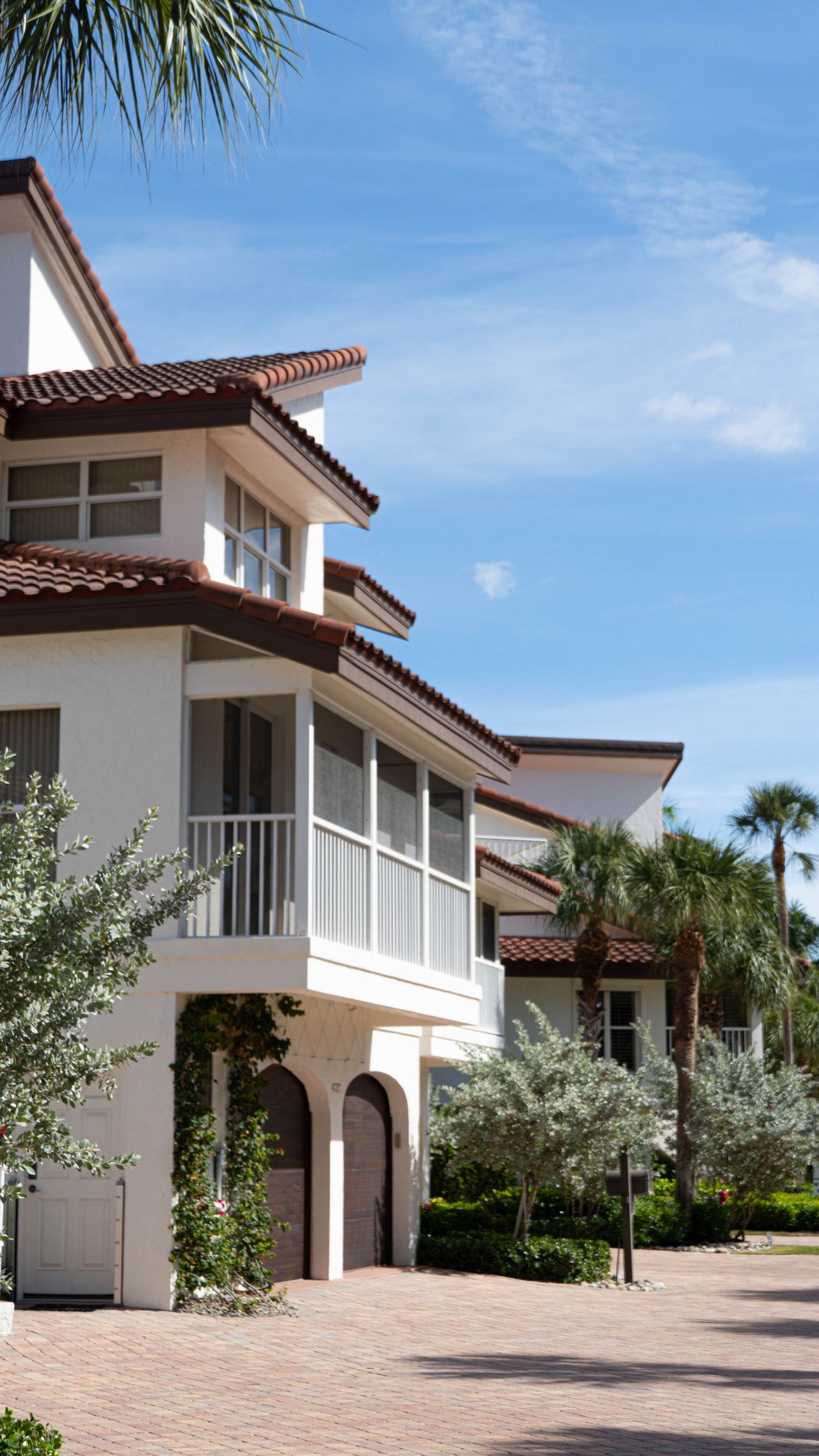
Home & Commercial Inspection
A full visual inspection of the structure, roof, and systems — with a full-color, next-day report and clear next steps. Residential and commercial.

Mold, Radon & Lead Testing
Environmental testing for what you can’t see — mold, radon, lead, and indoor air quality — with lab analysis from an independent, accredited laboratory.
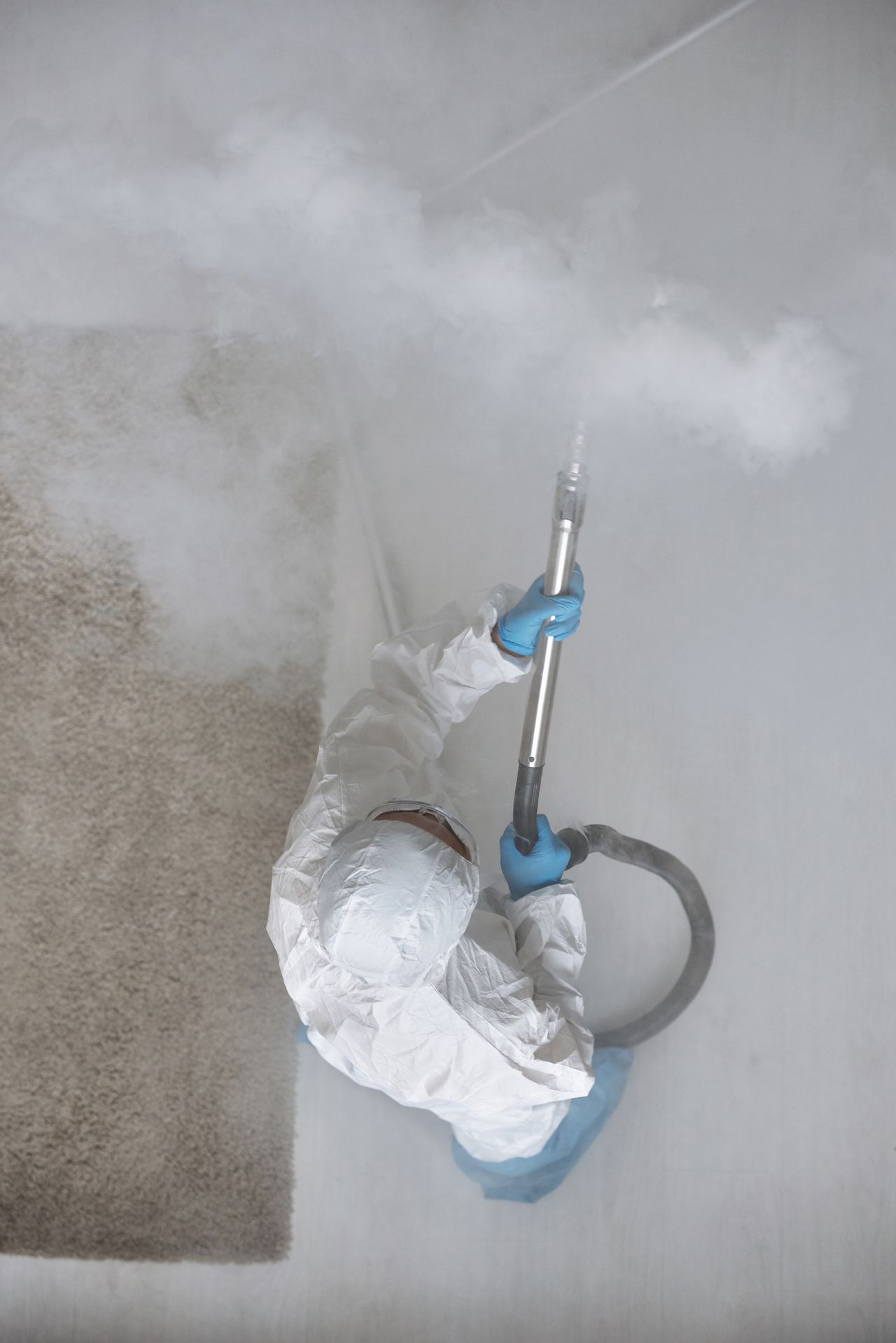
Remediation & Restoration
When something turns up, we handle it — mold removal and remediation plus water-damage restoration, with before/after documentation.





Types of Mold We Identify and Remove
We test for 19 mold species and spore categories — the same panel an AIHA-accredited environmental lab reports on every spore-trap. The six most common indoor species are shown first; expand the panel below to see every category we test for.
Black Mold
Stachybotrys chartarum
Often labeled "toxic black mold" — produces mycotoxins linked to respiratory irritation, chronic coughing, and worsened allergies in sensitive individuals. Removal should be done by certified, fully suited professionals.
- Where it's found
- Drywall, ceiling tiles, and wood that has stayed wet for 7+ days — typically after a roof leak, slab-leak, or hidden plumbing failure. Memnoniella, a closely related genus, is grouped with Stachybotrys on most lab reports.
- What it looks like
- Dark green-black, slimy or wet appearance when active.
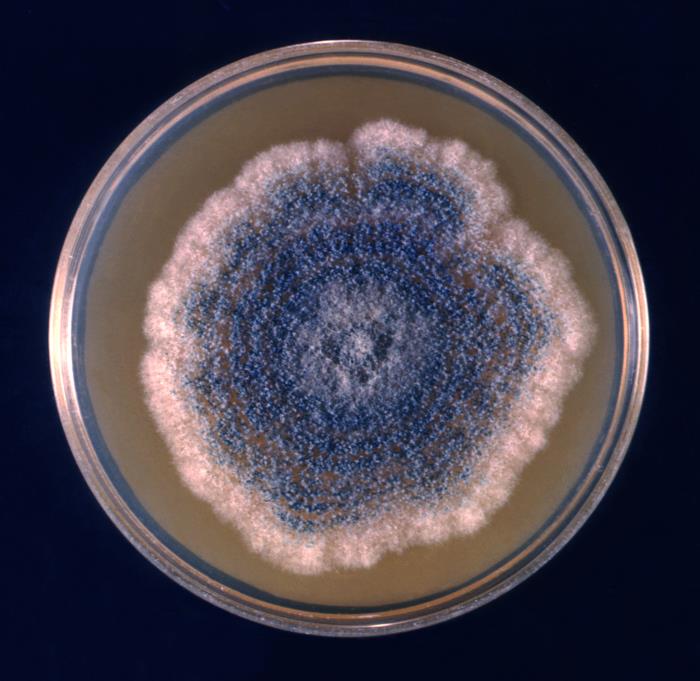
Aspergillus
Aspergillus spp.
One of the most common indoor molds. Most species are harmless to healthy adults but can trigger asthma, sinus infections, or aspergillosis in immunocompromised individuals.
- Where it's found
- HVAC systems, damp insulation, food, leather, paper. Loves warm humid air — a near-constant concern in humid indoor environments.
- What it looks like
- Yellow, green, brown, or black powdery patches; often fuzzy at the edges.
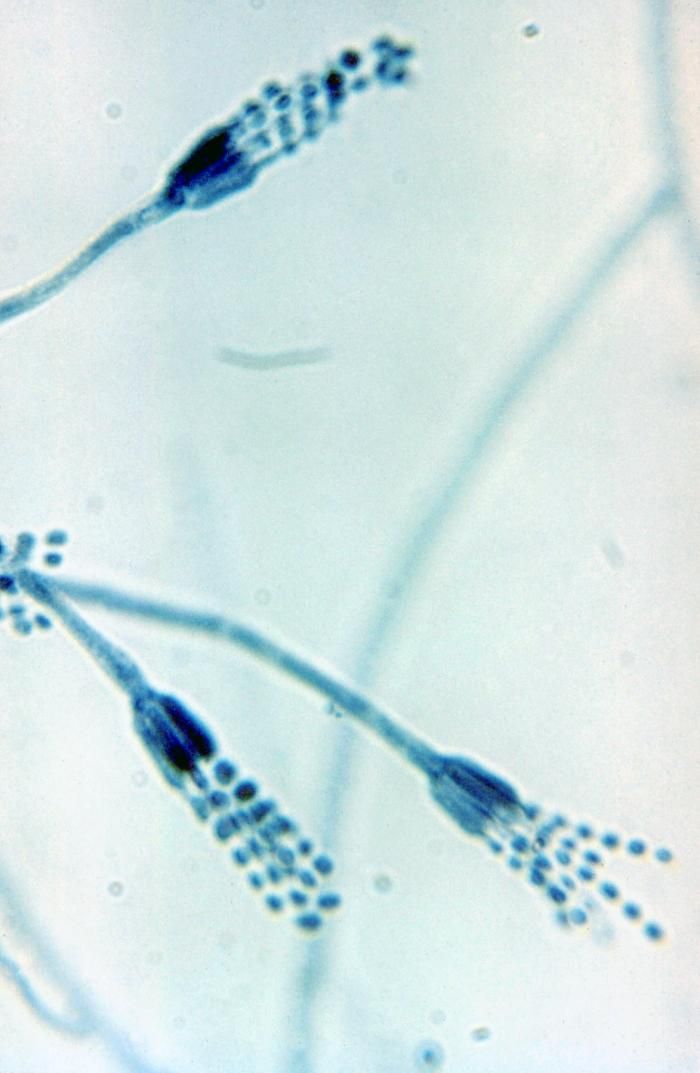
Penicillium
Penicillium spp.
Common allergy trigger. Continuous exposure can worsen asthma and cause chronic sinus inflammation. Some species produce mycotoxins on water-damaged building materials.
- Where it's found
- Water-damaged carpets, wallpaper, mattresses, and fabric. Frequently appears within 24–48 hours of a leak.
- What it looks like
- Blue-green or grey powdery patches; smells musty.
Cladosporium
Cladosporium spp.
Triggers hay-fever-like symptoms, asthma flares, and skin rashes. Tolerates cool temperatures, so it can grow even in refrigerators and AC drip pans.
- Where it's found
- Bathrooms, kitchens, basements, HVAC drip pans, behind toilets, on shower grout.
- What it looks like
- Olive-green to black; velvety or suede-like texture.
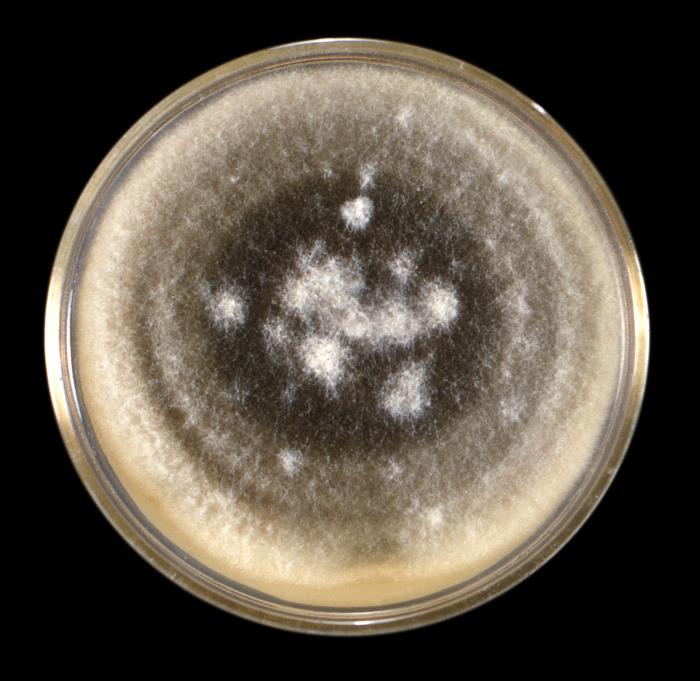
Alternaria
Alternaria alternata
One of the most well-known asthma triggers — outdoor exposure is normal, but indoor growth concentrates spores and can drive severe respiratory reactions in sensitized people. Ulocladium, a visually similar genus, is grouped with Alternaria on most lab reports.
- Where it's found
- Window seals, shower stalls, around tubs, under sinks. Wherever condensation lingers.
- What it looks like
- Dark grey-green or brown; wool-like or velvety.
Chaetomium
Chaetomium globosum
A water-damage indicator species — its presence almost always means a hidden long-term moisture problem. Can produce mycotoxins; linked to allergic and neurological symptoms.
- Where it's found
- Behind drywall and under wood floors that experienced flooding or a sustained leak.
- What it looks like
- Starts white and cottony, then matures to grey, brown, or black.
Not sure what you're looking at? Request a free inspection — we'll test, identify, and remove any species we find.
Radon Testing
Understanding Radon
Radon is the second-leading cause of lung cancer in the United States, and it is completely invisible — here is what every Los Angeles and Orange County homeowner should know, and when to test.
An invisible soil gas
Radon (Rn-222) is a colorless, odorless, radioactive gas released by the natural decay of uranium in soil and bedrock. You cannot see, smell, or taste it, so a short-term test is the only way to know your home’s level.
When to take action
4.0 pCi/LEPA action level
The EPA recommends fixing a home at or above 4.0 picocuries per liter; the World Health Organization suggests an even lower 2.7 pCi/L. Below the threshold no action is needed, but a retest every few years is wise.
How it enters a home
Radon seeps in through foundation cracks, slab penetrations, sump pits, crawlspace openings, and any below-grade gap, then concentrates indoors when ventilation is limited. Levels are almost always highest in the lowest occupied level.
Why it matters
~21,000US lung-cancer deaths a year
Long-term radon exposure is the second-leading cause of lung cancer after smoking, and the EPA attributes about 21,000 lung-cancer deaths a year in the United States to it. Risk climbs with both the level and the years of exposure.
Radon in Los Angeles & Orange County
Parts of Los Angeles and Orange counties fall in EPA Zone 2 (moderate potential). Hillside and canyon homes built close to bedrock are the most common candidates, which is why pre-purchase radon testing is increasingly routine in LA-area transactions.
If your level is high
Elevated radon is fixable. Sub-slab depressurization — a sealed pipe and a quiet fan that vents soil gas above the roofline — is the standard residential remedy, typically $1,500-3,500, and a post-mitigation test confirms the level has dropped.
Lead Testing
Understanding Lead
Lead exposure is most dangerous for young children, and pre-1978 homes are the most common source — here is where it hides, how it is tested, and what to do before you renovate.
Lead-based paint
1978US residential ban
The United States banned lead in residential paint in 1978. Homes built before then often still carry it on original trim, window frames, doors, and built-ins, usually buried under newer non-lead layers that wear through at friction points.
Lead in drinking water
pre-1986plumbing risk
Lead can enter drinking water from old galvanized pipes, lead service lines, and the lead solder used on copper plumbing before 1986. First-draw water sampling at the fixture is how that exposure pathway is measured.
Lead dust and soil
The biggest everyday exposure is often not the paint itself but the dust it sheds at friction points — window sashes, doors, stair treads — plus lead-contaminated soil tracked indoors. Dust-wipe sampling targets exactly these surfaces.
Why children are most at risk
There is no known safe blood-lead level in children. Even low exposure is linked to lower IQ, attention and behavior problems, and developmental delays, because young children absorb more lead and frequently put hands and objects in their mouths.
How lead is tested
A portable XRF analyzer reads paint composition through the surface non-destructively in every room, paint-chip samples confirm the buried layers at an independent accredited laboratory, and dust-wipe and water samples capture the active exposure pathways.
Before you renovate
Disturbing lead paint in a pre-1978 home — sanding, scraping, demolition — is regulated, because it spreads lead dust. Testing first tells you which surfaces need lead-safe work practices or abatement and which are already clear.
See Our Work
Recent mold remediation projects across the Los Angeles Westside and Orange County — containment, demolition, and the restored spaces our clients return to.
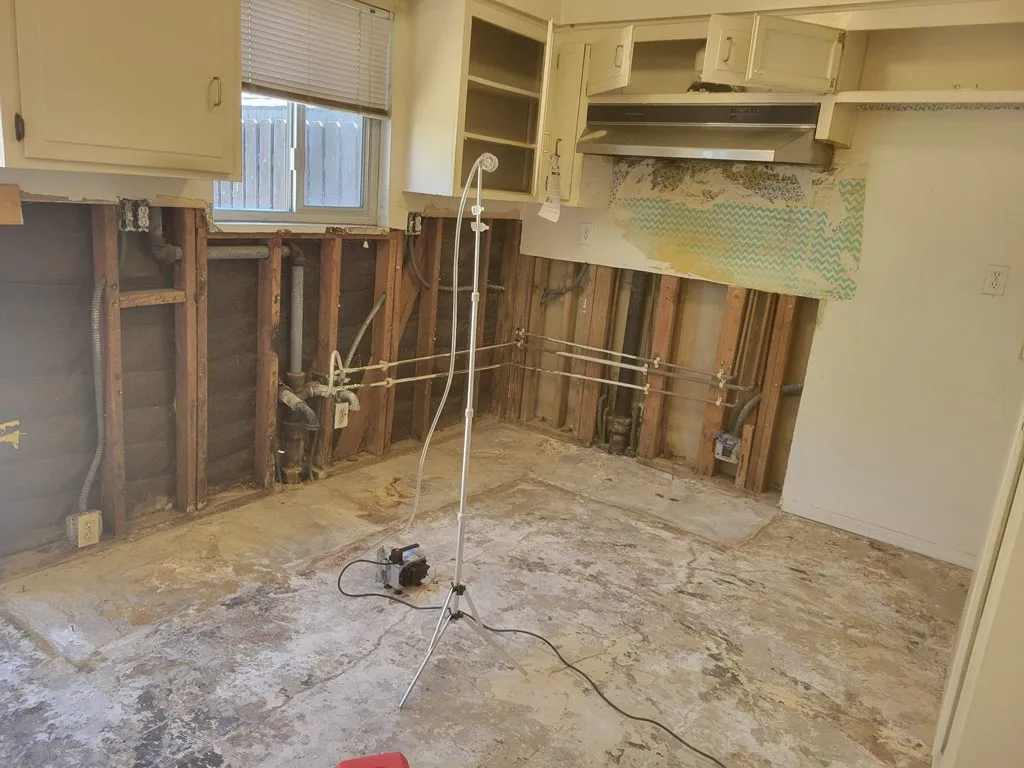
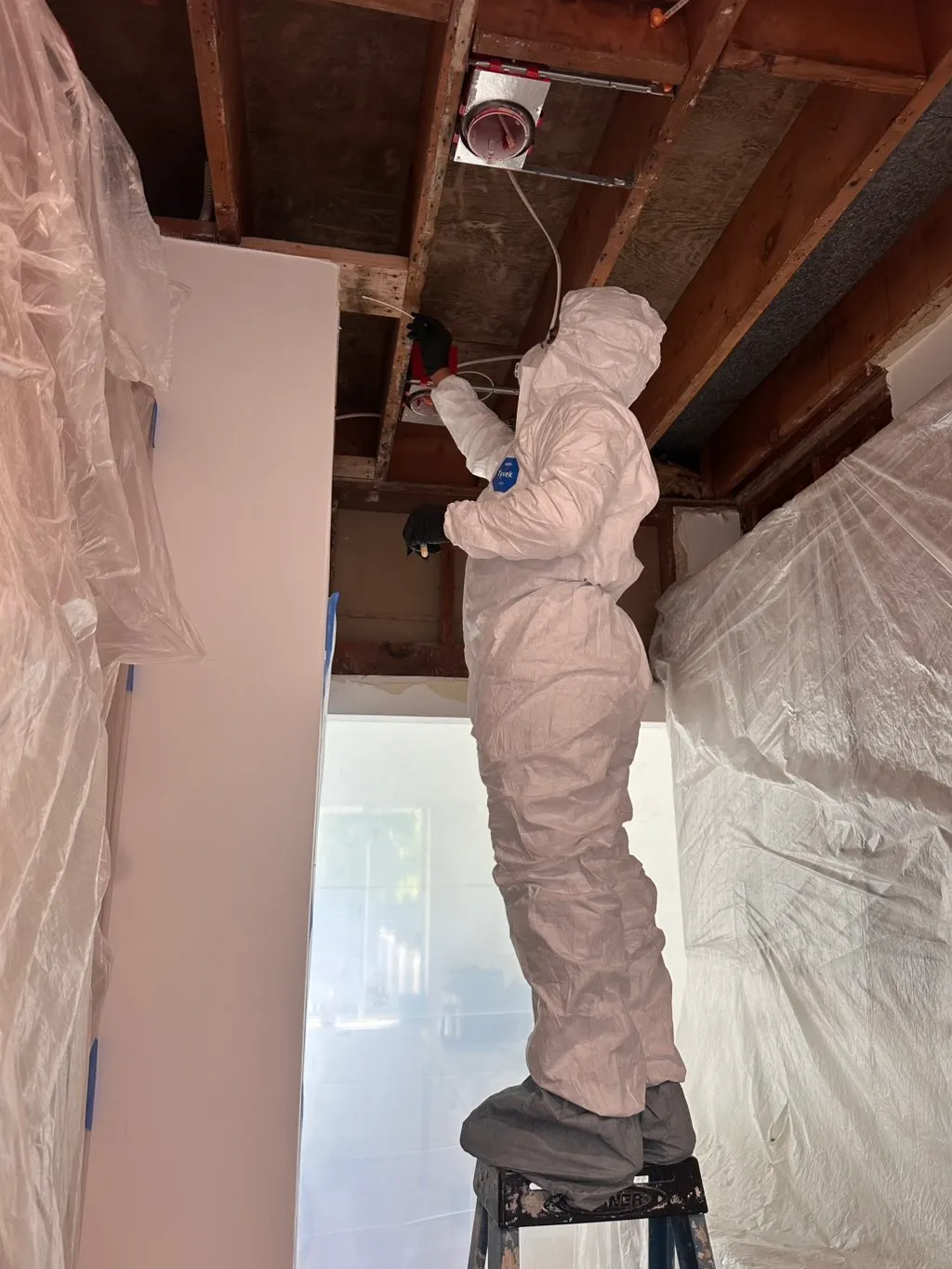
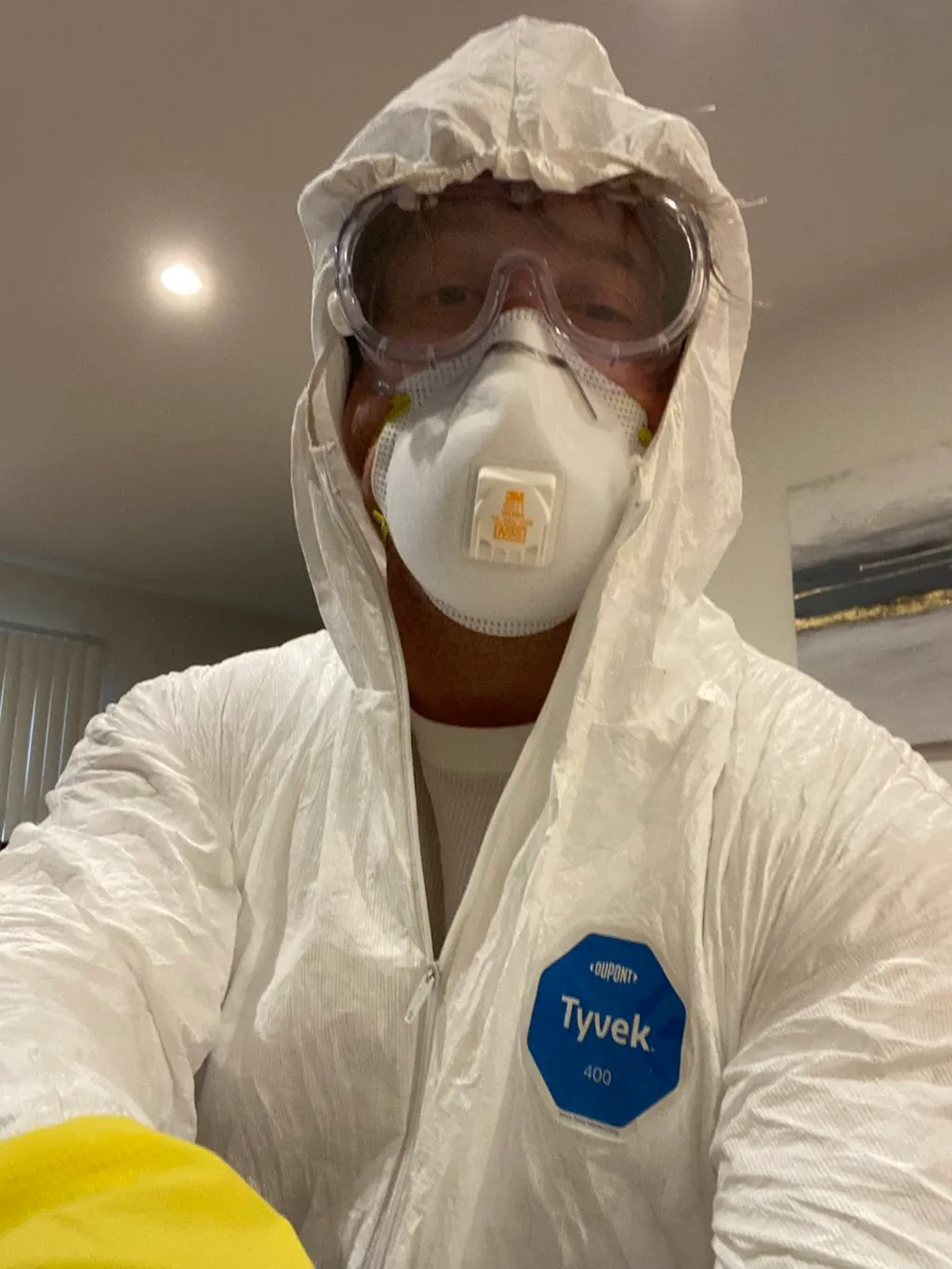
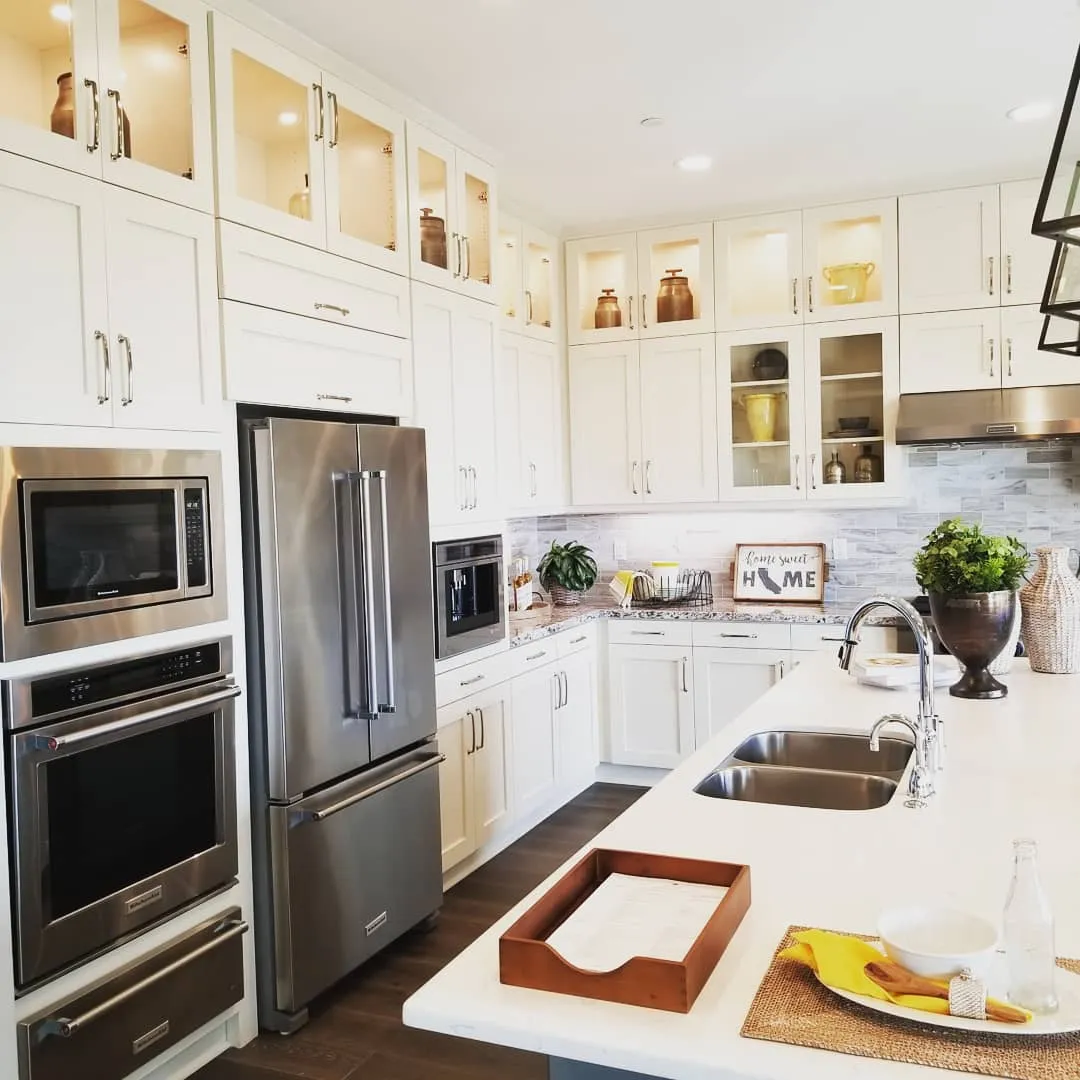

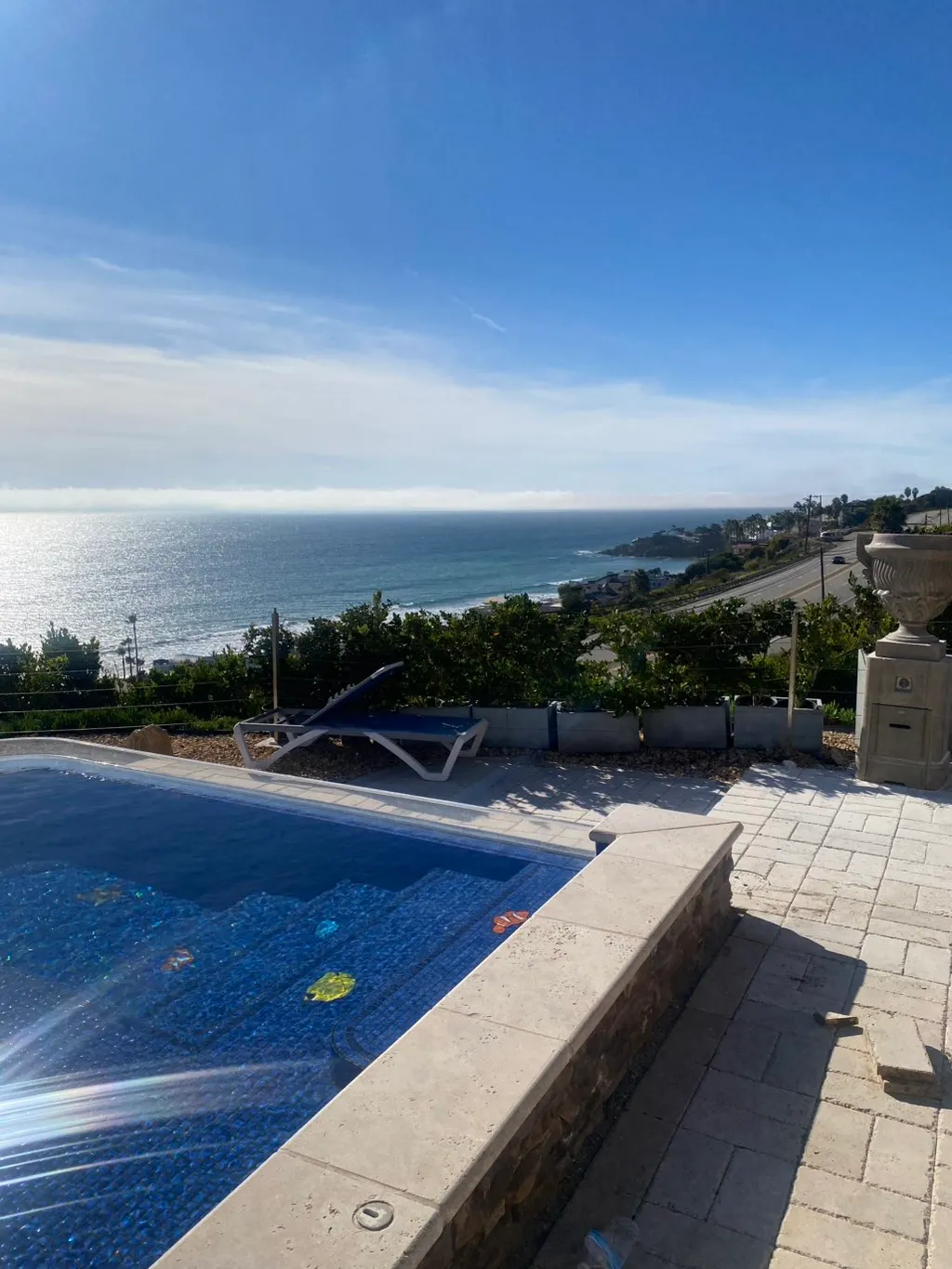
Recent work includes
- Bathroom Black Mold RemediationBlack mold (Stachybotrys) growing on bathroom drywall around a slow plumbing leak. Containment, full drywall removal, and clearance testing.
- Attic Mold After Roof LeakAspergillus and Cladosporium colonies on roof decking after a storm-driven roof leak. HEPA filtration, antimicrobial treatment, and structural drying.
- HVAC System Mold CleanupCoil and air-handler colonization in a humid coastal cooling system. Coil cleaning, drain pan replacement, and duct treatment.
- Crawlspace Mold RemediationPenicillium and Chaetomium on subfloor joists from chronic crawlspace humidity. Encapsulation, dehumidifier installation, and microbial remediation.
- Post-Flood Drywall Mold RemovalAggressive water-damage mold colonization 72 hours after a slab leak. Cut-and-replace remediation 18 inches above the waterline.
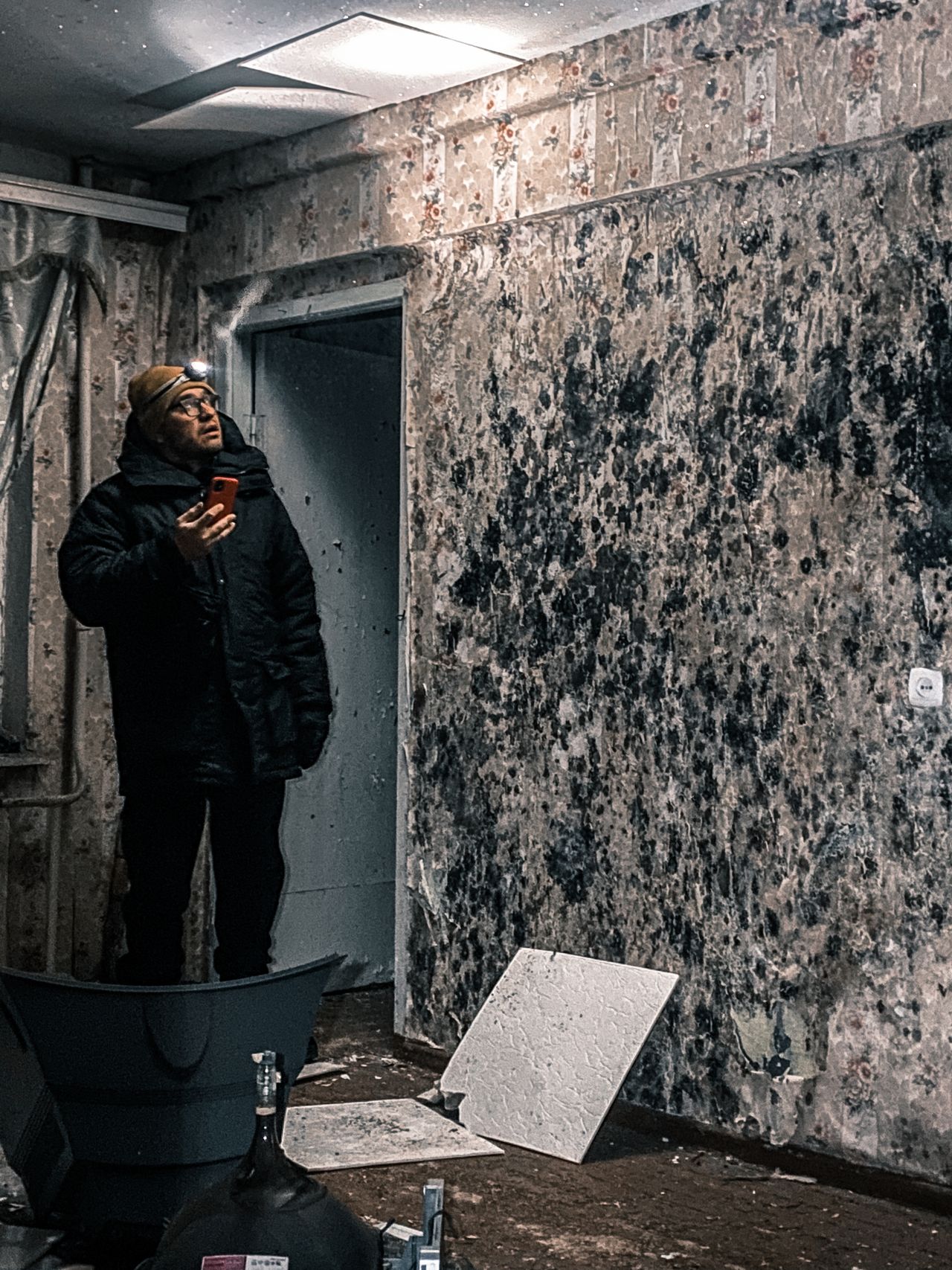
- Ceiling Water-Damage MoldStachybotrys on a textured ceiling under a second-floor bathroom leak. Containment, sectional ceiling replacement, and air-quality clearance.
Want a job like yours documented? Contact us — we respond within one business day.
Meet Dr. Elvis Martin
A physician's perspective behind a full-service inspection company — because what's in your home affects your health.
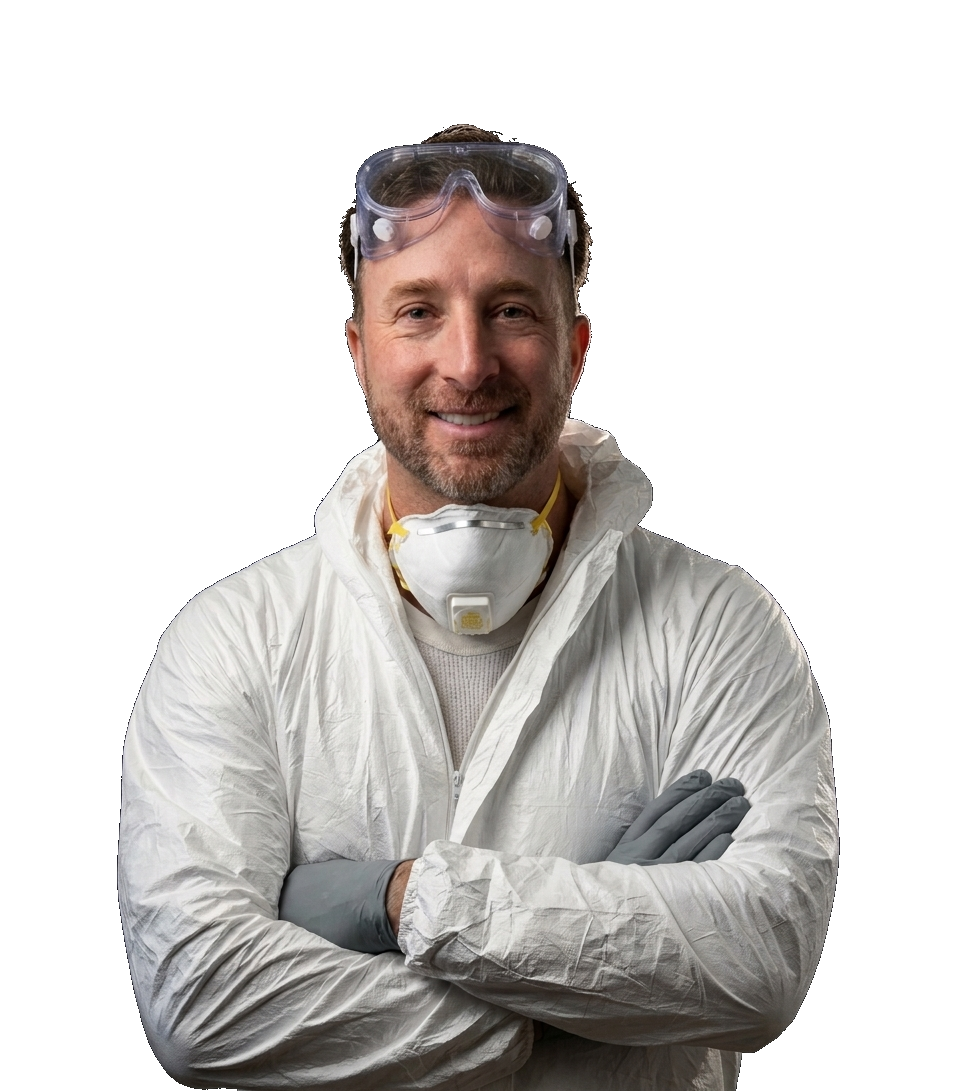
Dr. Elvis Martin, MD, brings a unique physician's perspective to property inspection. With years of medical practice in New York and Los Angeles, Dr. Elvis built A&A Property Inspections to give Southern California families a complete picture of their home — structural, environmental, and health — from one team they can trust.
As both a Licensed Physician and Certified Mold Inspector, Dr. Elvis understands the connection between indoor air quality and your health. Every inspection is guided by medical knowledge — not just building science.
Service Area: A&A Property Inspections serves the Los Angeles Westside, the San Fernando Valley, and Orange County — home & commercial inspections plus mold, radon, lead, allergy, and air-quality testing.
California Property Inspection You Can Trust
The Los Angeles Westside, the San Fernando Valley, and Orange County can rest easy — A&A Property Inspections by Dr. Elvis delivers thorough home, commercial, and environmental inspections to these areas whenever you need them.
Whether you're buying, selling, or simply protecting the home you live in, a thorough property inspection tells you exactly what you're dealing with — from the structure to the indoor air quality your family breathes. When you choose who handles it, look for a team you can trust.
What's Included
- Full visual inspection of the structure, roof, and exterior
- Electrical, plumbing, and HVAC systems checked by licensed pros
- Moisture and water-intrusion mapping — a frequent hidden red flag
- Environmental testing on request — mold, radon, lead, and air quality
- Lab analysis from an independent, accredited laboratory
- Full-color, next-day report with photos and clear next steps
- Available as an expert witness during litigation
- Excellent customer service
So whether you're buying a house, selling one, managing a commercial property, or just want peace of mind about the place you live — we give you the full picture, with the expertise of licensed inspectors and state-of-the-art tools. When environmental testing is called for, samples go to an independent, accredited laboratory for unbiased analysis.
What Our Clients Say
Paraphrased from real reviews on Thumbtack and Porch — links to the original reviews under each quote.
“Elvis is both personable and genuinely knowledgeable — exactly what you want in this kind of work. He rushed our project through so we could safely get contractors started on the next phase. Highly recommend.”
Robin L.
January 2020
Read all reviews on the source platforms
Reviews shown on moldandallergy.com (sister practice serving Southwest Florida) — same staff, same standards.
Frequently Asked Questions
Answers to the questions California homeowners ask most often about property inspection, environmental testing, and what to do first when you suspect a problem.
How much does mold inspection and removal cost?
How long does mold remediation take?
Is black mold actually dangerous?
Does homeowners insurance cover mold removal?
What are the health symptoms of mold exposure?
Can I clean up mold myself with bleach?
Do I need to leave my home during mold remediation?
Should I get a mold inspection before buying a home?
What should I do first if my home flooded?
What is clearance testing and do I need it?
How fast can you come out for an inspection?
What happens during a mold inspection?
What is radon and why does it matter in California homes?
What is a safe radon level — and when do I need mitigation?
What is EPA RRP certification and does my contractor need it?
How is lead-based paint tested in a California home?
What does a California home inspection cover?
Do you offer radon, lead, and home inspection in addition to mold services?
What does a commercial property inspection cover?
What is the difference between a mold inspection and a mold investigation?
What is an allergy inspection and how is it different from a mold inspection?
What does indoor air quality testing measure?
How does moisture testing find hidden water in a home?
Don't see your question? Ask us directly — we respond within one business day.
Send Us the Details
Want to include your address and the full picture, or see exactly where we work? Send everything here — and find us on the map.